novel progress

100k words and onward by Matthew Marchitto

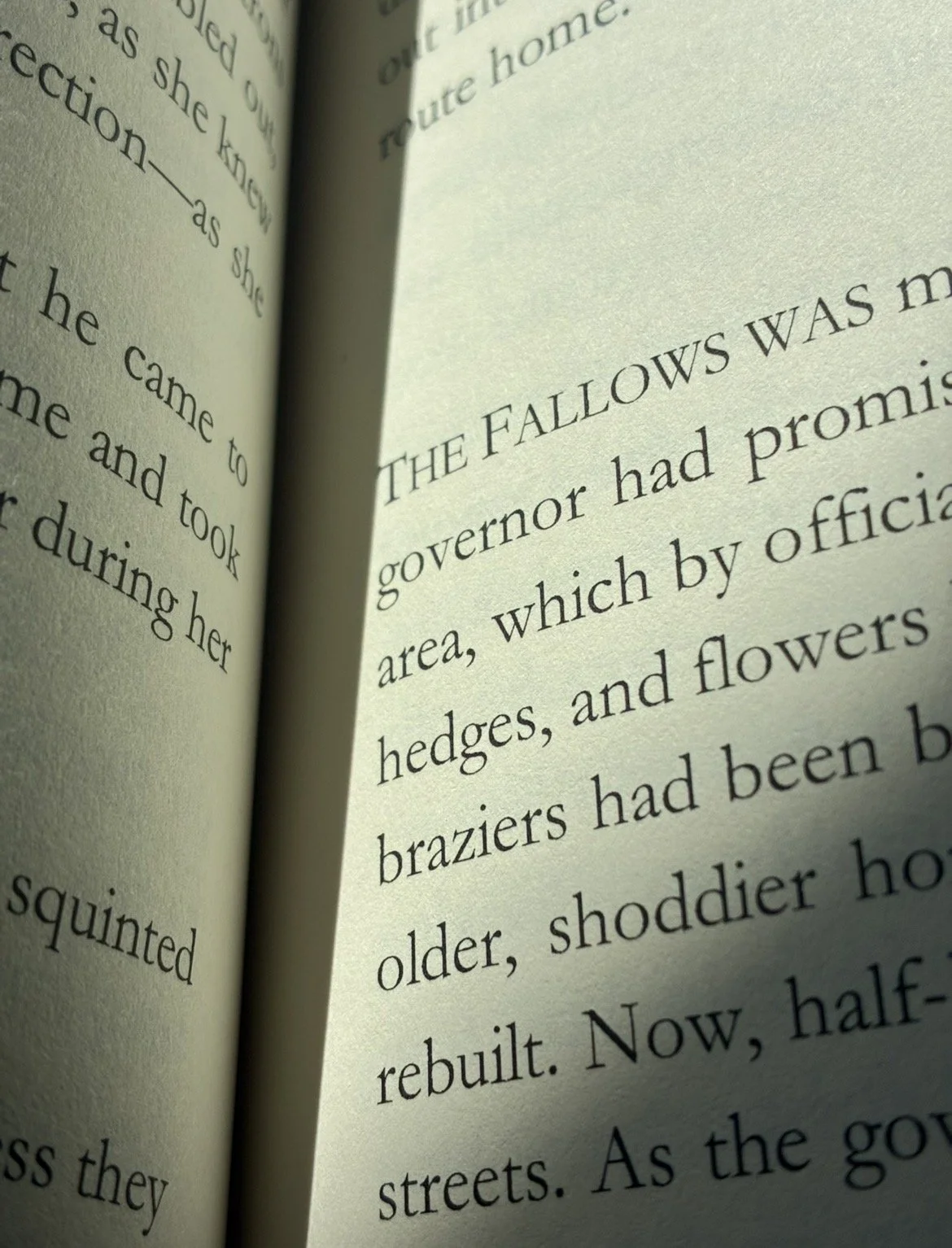
Page from The Horned Scarab, self-published by me.

Earlier in the year I completed the first draft of my sci-fi novel. This thing has gone through tons of iterations and tonal shifts. I started it years ago, dropped it, picked it back up only to drop it again. Until last year when I decided to hunker down and finish it. Coming in just over 100k words, I’m confident in the direction it’s gone in, but it needs a ton of revisions.

I’ve been letting it sit before diving back in, using my time to do some short story writing. I gave up on writing short stories years ago, thinking I just didn’t have the skill in me. Recently, I decided I wanted to give them another try rather than be defeatist about it. It’s been an enjoyable process, even if they’re not the best pieces around.

One thing that’s helped me make consistent daily progress is using a timer when writing. I set a timer for 30ish minutes or an hour, and while the timer is on I’m only allowed to do two things: write, or sit there and do nothing. Simple, but it’s a mentality that’s helped me a lot these past few months. And since, I’ve been making steady progress. Hopefully I’ll have some things to shout about on here in the near future.


I’m currently reading Gargantua and Pantagruel by François Rabelais, and it’s a fascinating read. My knowledge of the Renaissance has huge gaps, so a lot of the cultural context and nuance is flying right by me, but I still find myself engaged with this odd piece of literature. It’s also interesting how referential it is, there’s an expectation that readers will pick up on references to other renaissance works (which I hadn’t heard of) and plays on quotes from ancient texts. It really is a work that’s so enmeshed in its cultural context that parsing out its subtleties requires a lot of prior knowledge about the 1500s.


I’ve revisited Story Genius by Lisa Cron. I really like the misbelief system and have been using it more and more recently. It takes you through the process of developing your main character's backstory and the emotional backbone that will be a major pillar of your novel.

The misbelief method is similar to giving your characters flaws and wants, but drills down into a more specific interplay between an internal misbelief and how that clashes with your character's desire.

I absolutely recommend this book. It's only about 200 pages, and is written in an easy-to-read conversational style. If you check it out, then I also encourage you to follow through with the exercises outlined inside. If the Story Genius method resonates with you, it will feel like a final piece has clicked into place when it comes to developing your MCs.


Anyway, that’s it for this brief update. I hope everyone has a good weekend!